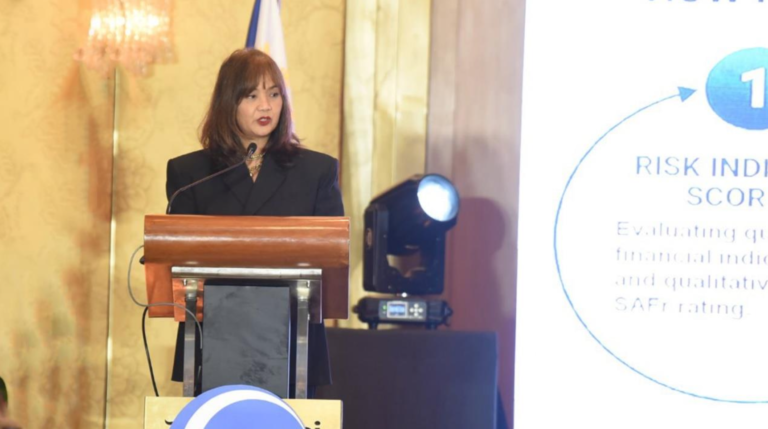

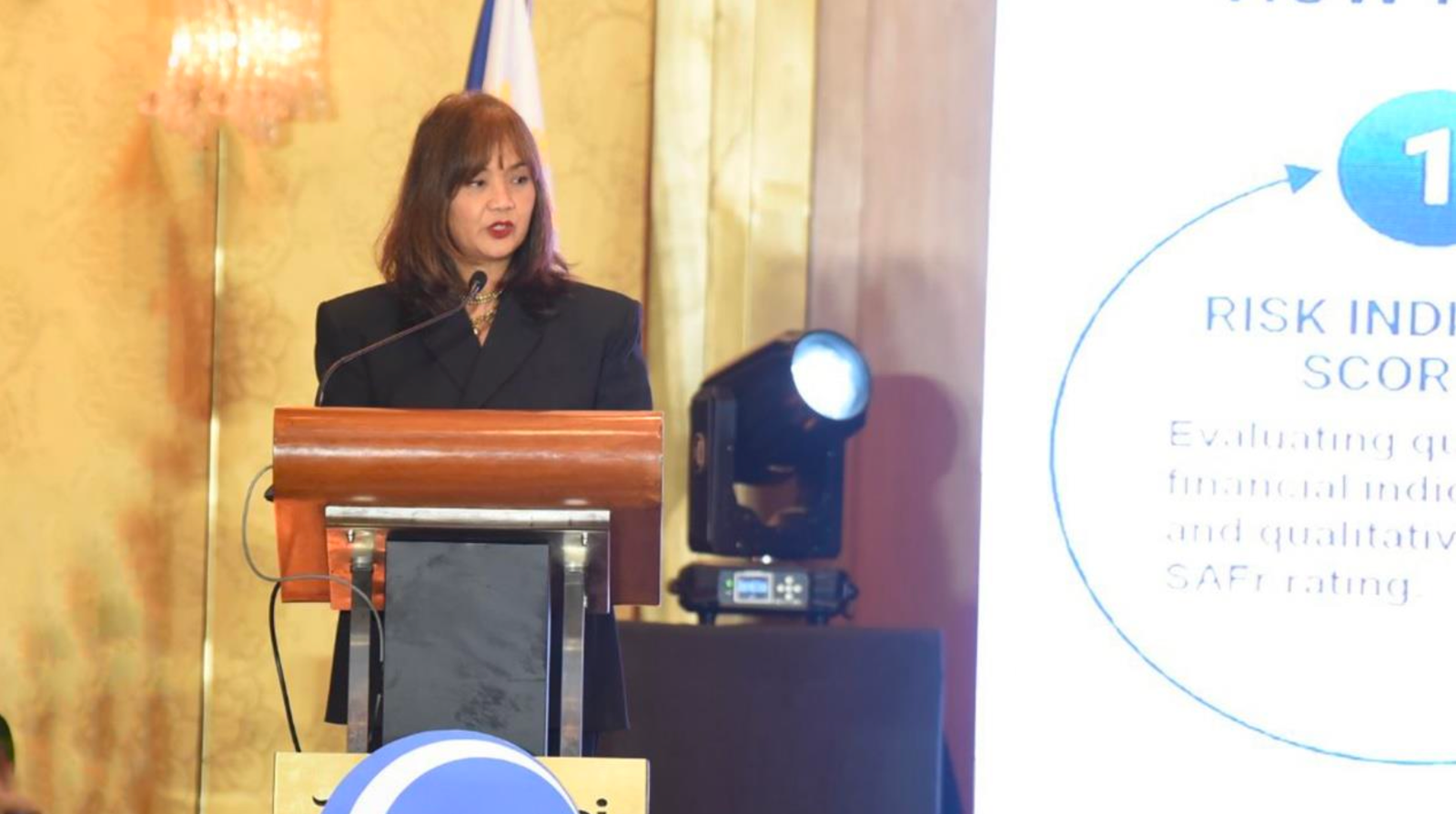
Sound risk management for equitable, fairer and stronger banking system. The Philippine Deposit Insurance Corporation (PDIC) highlighted its ongoing efforts to strengthen financial stability and depositor confidence through the development of a Risk-Based Assessment System (RBAS) for deposit insurance. During the panel discussion at the 52nd Annual Convention of the Chamber of Thrift Banks (CTB), PDIC General Counsel Maria Antonette I. Brillantes-Bolivar emphasized that while digital transformation continues to reshape banking, public trust remains anchored on sound governance, prudent risk management, and strong institutions. Developed in collaboration with the World Bank Group, the RBAS framework will introduce a more equitable approach to premium assessments by aligning rates with each bank’s risk profile, thereby encouraging stronger risk management practices and enhancing the resilience of the banking system.
As banks rapidly embrace digital technologies, one thing remains unchanged: public trust is the cornerstone of a stable financial system. While innovation is reshaping financial services, confidence that bank deposits are safe continues to underpin the strength and resilience of banking institutions.
In its latest engagement with the banking industry at the 52nd Annual Convention of the 42-member strong Chamber of Thrift Banks, the Philippine Deposit Insurance Corporation (PDIC) highlighted its efforts to reinforce financial stability through the development of a Risk-Based Assessment System (RBAS), a major reform that promotes sound governance, stronger risk management, and greater fairness in deposit insurance.
PDIC General Counsel Maria Antonette Brillantes-Bolivar also emphasized the importance of sound governance and prudent risk management in sustaining depositor confidence amid rapid technological change, alongside RBAS.
Developed in collaboration with the World Bank Group, RBAS marks a significant shift from the current flat-rate assessment scheme. Today, banks pay a uniform assessment of one-fifth of one percent of their total deposit liabilities. Under RBAS, premium rates will instead reflect each bank’s individual risk profile, taking into account its financial condition, governance, and risk management practices.
The principle behind the reform is simple: banks that manage risks responsibly should be recognized for doing so. Rather than increasing the industry’s burden, RBAS is designed to encourage prudent risk management while helping build a stronger and more resilient banking system. The reform is relevant to the thrift banking sector, which serves more than 10.4 million deposit accounts nationwide. As key providers of financial services to households, entrepreneurs, and small and medium enterprises, banks play an important role in advancing financial inclusion. The PDIC emphasized that by combining technological innovation with their strong community presence, banks, especially, thrift banks can continue expanding access to formal financial services across the country.
To support a smooth transition, the PDIC will conduct a one-year shadow run before full implementation. This period will allow banks to understand how the framework evaluates their operations, identify areas for improvement, and strengthen their risk management systems before the new premium assessments take effect.
Recognizing the sensitivity of supervisory information, the Corporation assured banks that the RBAS incorporates strict confidentiality measures covering bank-specific assessments, simulated scores, and risk ratings. The framework also includes mechanisms for review, clarification, and periodic recalibration to ensure it remains responsive to evolving industry conditions.
The RBAS reflects the PDIC’s commitment to innovation and alignment with international best practices. The framework is consistent with the Core Principles for Effective Deposit Insurance Systems established by the International Association of Deposit Insurers (IADI), which provide guidance on the design and implementation of differential or risk-based premium systems. These principles require deposit insurers to have access to timely and relevant information for risk assessment, maintain meaningful differentiation among risk and premium categories, ensure transparency in premium calculations, protect the confidentiality of institution-specific ratings and rankings, and regularly review and update the system to preserve its effectiveness.
Ultimately, RBAS will be more than a new assessment framework but an investment in a stronger deposit insurance system that benefits banks, depositors, and the broader economy. As General Counsel Bolivar aptly emphasized, “RBAS is not about imposing additional burden on banks. It is about creating greater fairness, stronger incentives, and a more resilient banking system, one that benefits the millions of Filipino savers we all serve.”
About the Author