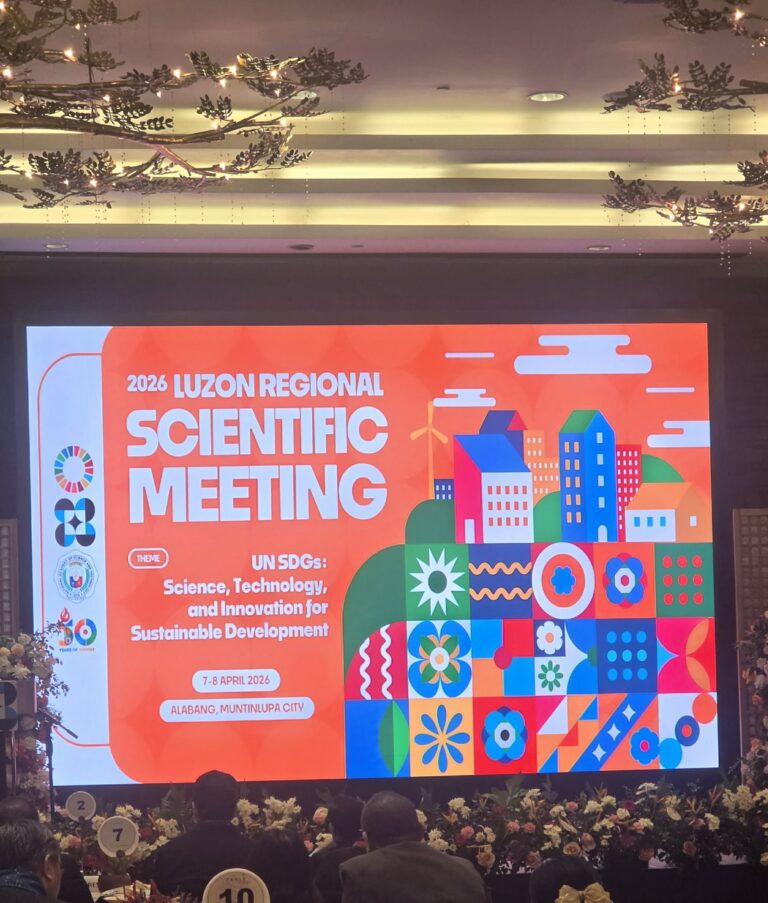

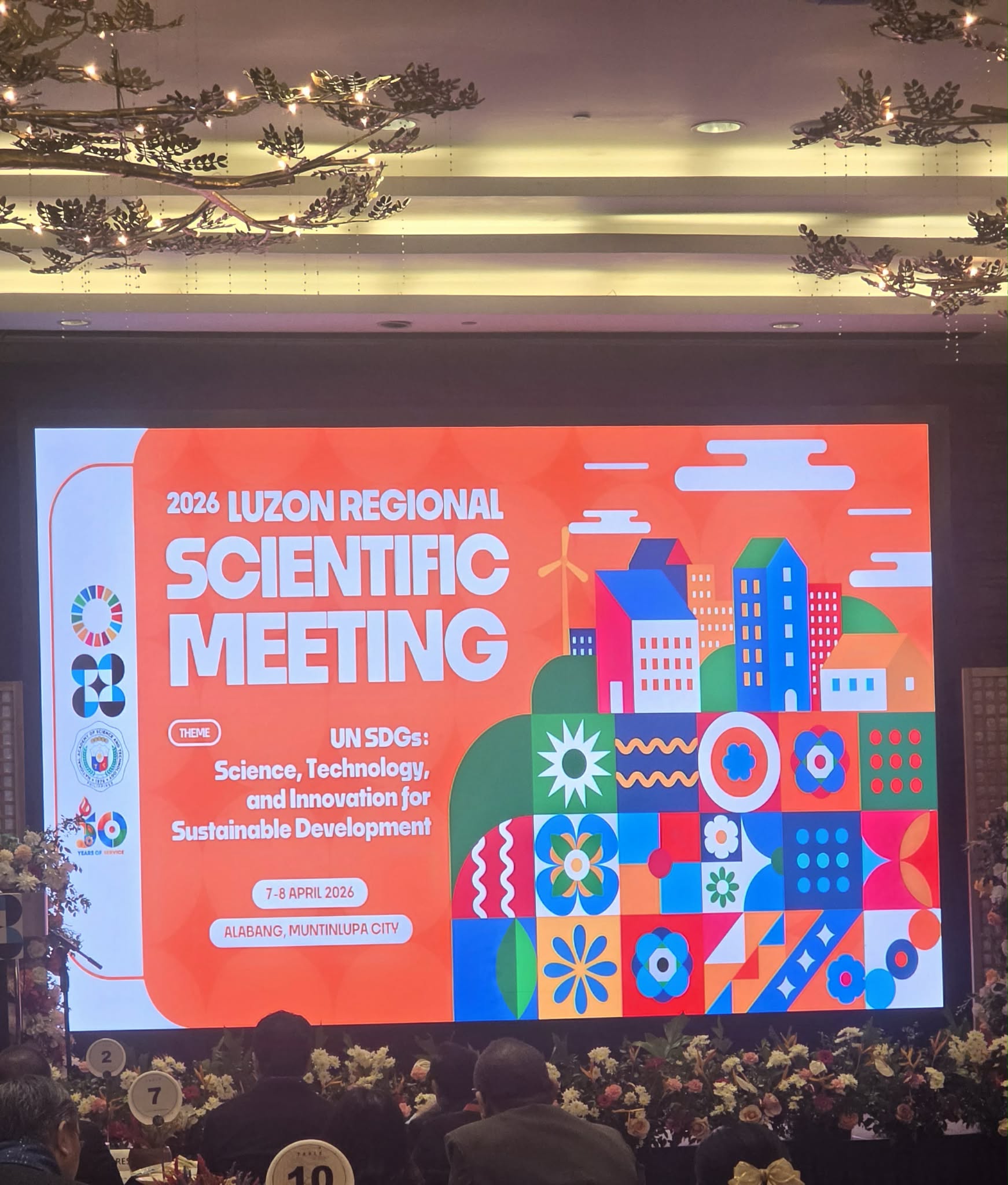
ALABANG, Muntinlupa City, April 7, 2026 — The 2026 Luzon Regional Scientific Meeting officially opened on April 7, gathering leading scientists, policymakers, industry experts, and development stakeholders from across Luzon to advance science-driven solutions for sustainable development.
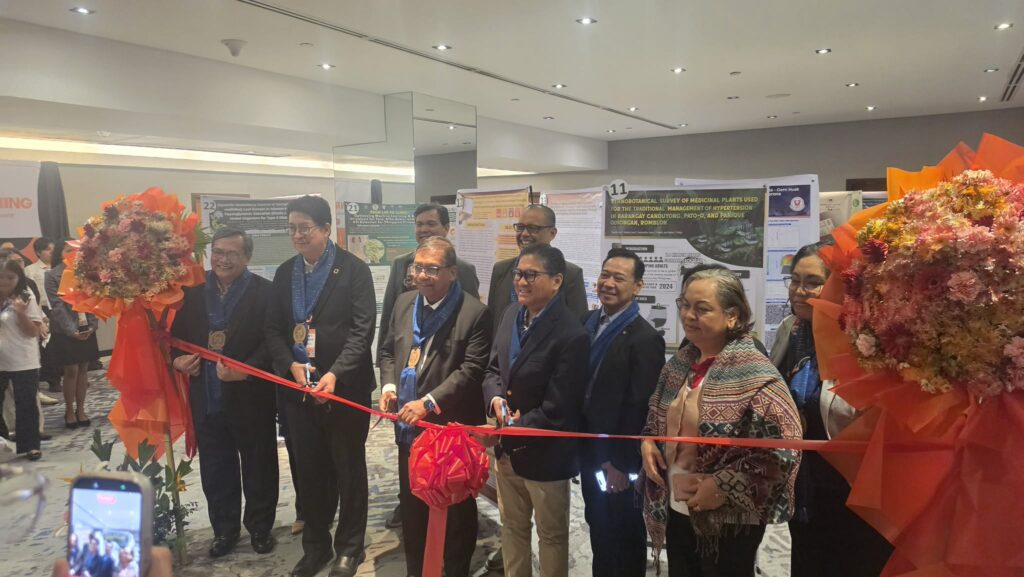
Organized by the National Academy of Science and Technology, Philippines in partnership with the Department of Science and Technology (DOST) Luzon Cluster, led by Department of Science and Technology – National Capital Region, the two-day event is anchored on the theme “UN SDGs: Science, Technology, and Innovation for Sustainable Development.”
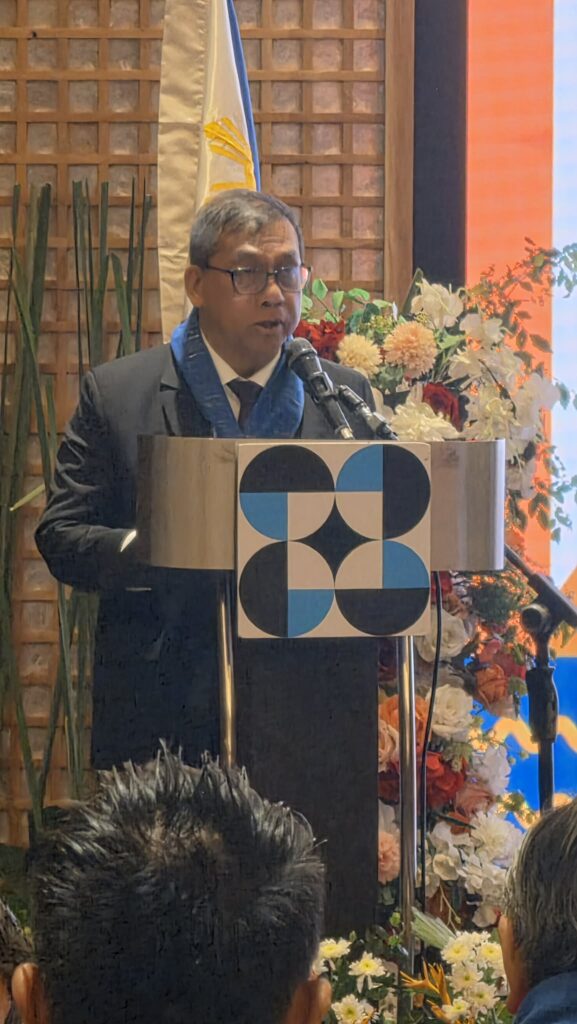
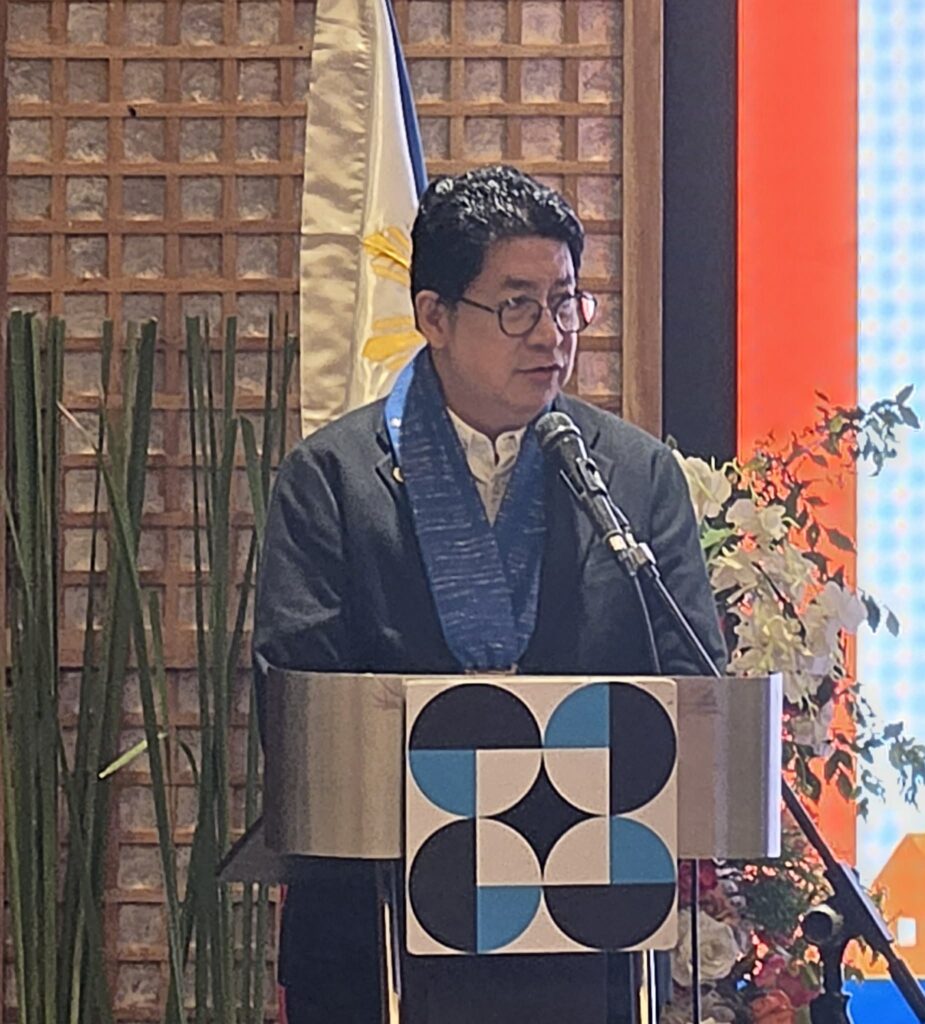
Key national figures graced the opening, including Renato U. Solidum Jr., Sancho A. Mabborang, Napoleon K. Juanillo Jr., Jaime C. Montoya, and Michael O. Sinocruz. Their participation underscored the importance of collaborative, science-based policymaking in addressing the country’s most pressing development challenges.
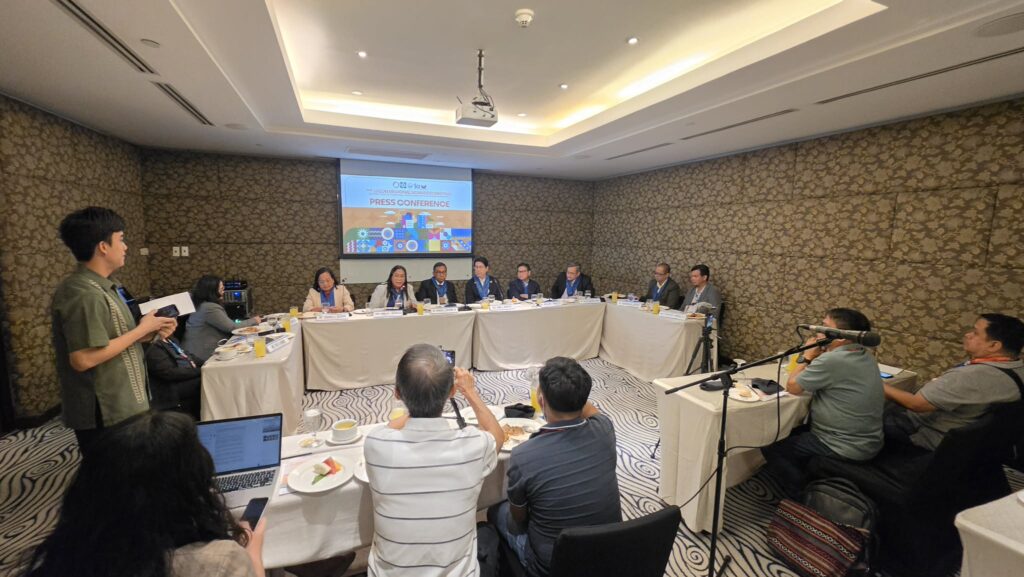
Day 1 sessions centered on assessing Luzon’s current progress toward achieving the United Nations Sustainable Development Goals (SDGs), with focused discussions on passive cooling strategies and pathways toward a net-zero emissions future. Experts highlighted the critical role of innovation in enhancing climate resilience, improving energy efficiency, and promoting sustainable urban development.
The meeting, which serves as the first leg of the 2026 Regional Scientific Meetings series, continues on April 8 with two additional plenary sessions tackling emerging priorities: the development of a bioplastics industry roadmap alongside urban waste management solutions, and the application of artificial intelligence (AI)-based prediction systems to address climate-related disasters.
Outcomes from the discussions are expected to be consolidated into policy recommendations and endorsed to relevant government agencies, contributing to evidence-based decision-making and strengthening science, technology, and innovation (STI) initiatives across Luzon.
The Luzon RSM is part of an annual effort by NAST PHL to convene the country’s scientific community and key stakeholders in shaping responsive, forward-looking strategies that align with national and global development goals. (Nelson S. Santos)
About the Author